Species → Adélie Penguin
Adélie Penguin
Pygoscelis adeliae
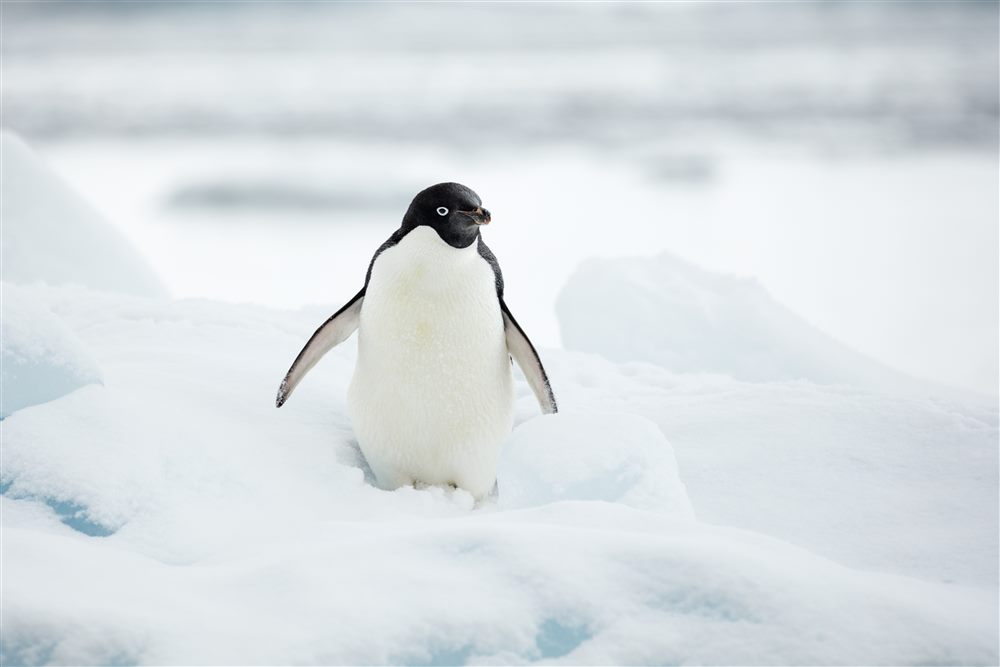
What if it disappeared?
Impact LowWithout Adélie penguins, some of the krill they would have eaten — several million birds across the continent — would remain available to crabeater seals, whales and other penguin species feeding on the same shoals, which would benefit from it as early as the first season.
HypothesisOver about a decade, that krill surplus would likely spread thin across many species rather than mainly benefiting one: baleen whales, still recovering from decades of historical hunting, would probably absorb a good share of it without any single population showing dramatic growth.
HypothesisOn the western Antarctic Peninsula, where colonies have already declined 65% over 25 years, a century of continued decline would likely empty that stretch of coastline of one of its main visible krill consumers — a gap that seals and whales in the same region would probably fill in gradually, without dramatic knock-on change to the rest of the local food web.
HypothesisOver a thousand years, even a continent-wide disappearance of the Adélie penguin would likely leave few lasting, species-specific traces in the Antarctic food web: other major krill consumers would take up the vacated space, and the ecosystem would mostly bear the mark of krill decline and warming themselves — not the absence of any one species.
HypothesisDocumentation
-
Trivelpiece et al. (2011) — Variability in krill biomass links harvesting and climate warming to penguin population changes in Antarctica, PNAS
Accessed August 10, 2026
-
Lynch & LaRue (2012) — Spatially integrated assessment reveals widespread changes in penguin populations on the Antarctic Peninsula, Ecology
Accessed August 10, 2026
-
BirdLife DataZone — Pygoscelis adeliae, fiche espèce et statut UICN
Accessed August 10, 2026
Last verified: August 16, 2026